
 by
the truth Our most famous singer tells us in an older hit that he’s going to sweeten his coffee. Experts don’t exactly approve of his habit, but they can explain why it seemed so bitter to him that he had to add sugar.
· In the past, poorly processed coffee beans reached us from coffee plantations.
· Experts call this low-quality coffee “defective.”·
The beans had to be roasted for a long time until they were burnt.
· Then the coffee acquired a bitter taste.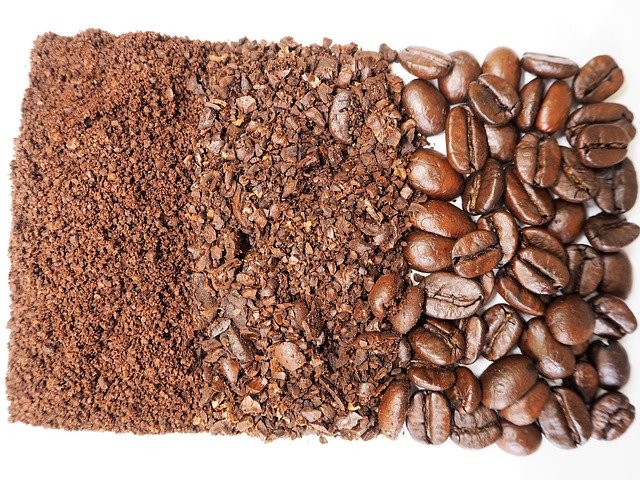
According to experts, bitter coffee is not high-quality coffee. Today, coffee beans are sorted by hand on plantations, which is why the coffee is of much higher quality. There are two basic types of coffee.
1. Arabica—this is the higher-quality coffee. Logically, it is also more expensive. It contains a lower percentage of caffeine and has a more acidic taste.
2. Robusta—is slightly lower in quality, and therefore cheaper. This coffee is distinctly bitter and contains twice as much caffeine.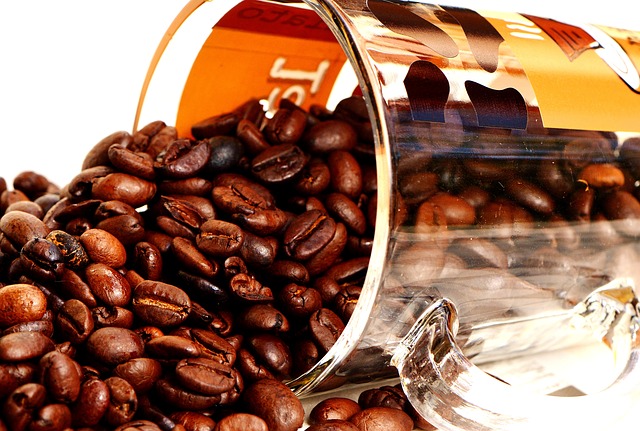
How can I tell if coffee is high-quality?
How can you tell what kind of coffee you’ve just brought home? It depends on where you bought it. If you bought it at a supermarket, it’s clear that you have Robusta. Tasting coffee properly is quite an interesting process. Coffee tasting has its own special name: cupping. It’s more about sipping than drinking. If you’d like to participate in this process, you’ll receive one more essential item along with your cup of coffee—a special cupping spoon. You’ll use this to sip the coffee. The louder you do it, the more professional you’ll look.
Through this somewhat unrefined behavior, the coffee spreads evenly throughout your mouth and across your tongue, allowing you to experience all the flavors at once. After all, you couldn’t very well down a whole cup of coffee in one go and then try to determine if it was good. After all, good winemakers and wine connoisseurs also roll wine around on their tongues and don’t just “gulp down” the whole glass at once. They may not slurp during a tasting, but who knows—maybe they’ll pick up a trick or two from their “coffee-drinking colleagues” and perfect their own tasting technique in the future.